Hedge Trimming in Tooting
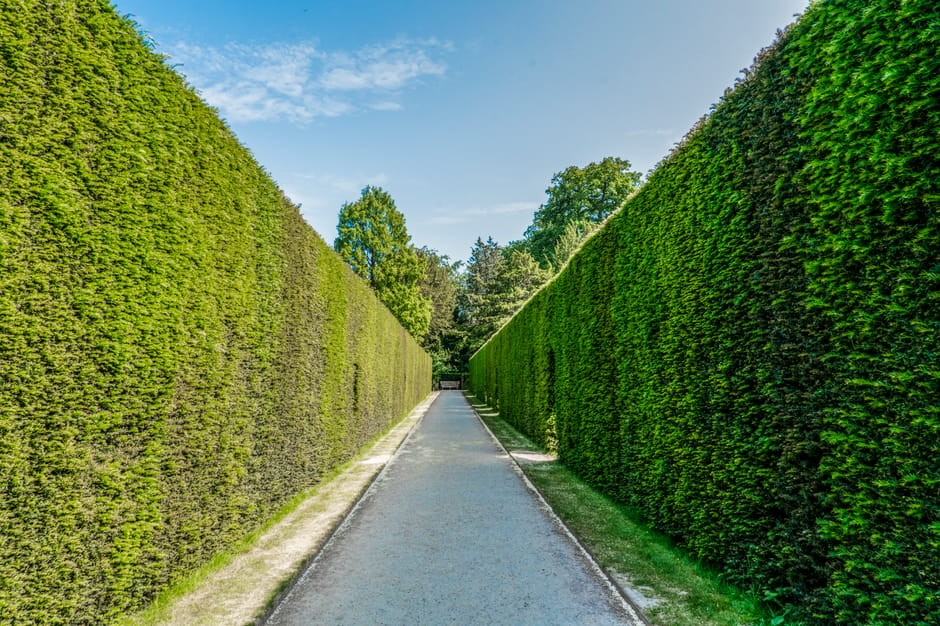
Hedge trimming in Tooting needs a tidy, controlled approach that keeps living boundaries even, healthy and suited to the space they frame. We focus on the practical work of shaping garden hedges, reducing overgrowth and keeping edges neat, whether the hedge is part of a front garden, a shared boundary or a larger planted run. The aim is straightforward: keep the hedge looking cared for, maintain its form and remove the awkward growth that can make a garden feel untidy or difficult to manage.
Our work is based around the hedge itself rather than a one-size-fits-all cut. Different species respond differently, so the finish, timing and depth of trimming need to be chosen carefully. Some hedges benefit from a light, frequent tidy-up, while others need a more deliberate reduction to restore shape. Careful trimming helps keep growth dense where it should be and improves the overall outline without stripping the plant back more than necessary.
If you want a clear idea of what is involved, you can ask for a quotation and outline the hedge type, access and current condition. A simple description is often enough to begin, and it helps us judge whether the work is a routine trim, a heavier reduction or part of wider garden upkeep. For a fuller overview of what we cover, see our services overview.
Trimming, shaping and seasonal upkeep
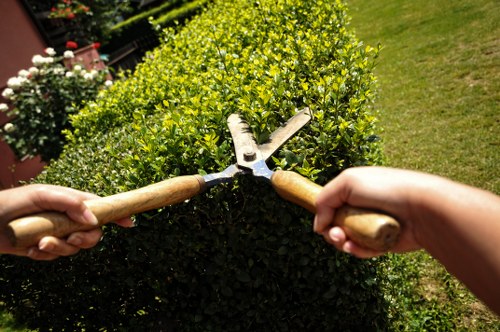
Routine hedge trimming is the core of the service and usually gives the best long-term result when done before a hedge becomes too wide or too tall. A well-timed cut keeps the outline manageable and reduces the need for more disruptive corrective work later on. We can work on formal hedges that need crisp lines, as well as informal hedges where the goal is simply to keep growth controlled, balanced and healthy-looking.
In practical terms, trimming is about more than just shortening the outer layer. It includes setting the face, matching the top line, managing the sides and making sure the finished hedge sits well in the garden. Where useful, we can also help with hedge maintenance as part of broader garden care. If you are planning multiple outdoor jobs together, it may be useful to look at our garden maintenance page alongside the trimming work.
What a typical hedge trim may involve
Every hedge has a different shape, density and growth pattern, so the method is adjusted to suit the plant and the space. A typical visit may include selective cutting to retain a clean outline, attention to awkward growth at the top or sides, and tidying the visible edges so the hedge sits neatly against paths, fences or planting beds. On mature hedges, we may need to remove more than a purely cosmetic amount of growth to restore control without creating an uneven finish.
When the hedge has started to spread into a walkway, driveway or neighbouring boundary, a more careful pass can bring it back into line while preserving the structure. This is especially useful where you want the hedge to remain a feature rather than simply be cut back hard. The right result is not just shorter growth; it is a more reliable shape that looks intentional and is easier to maintain next time.
Hedge types, access and the level of finish
Different hedge types call for different cutting approaches, and that affects both the finish and the amount of growth removed. A neat boundary hedge often benefits from precise, repeated shaping, while a more relaxed garden hedge may only need a controlled reduction to keep it from dominating the space. We look at the hedge’s condition first, then decide how to balance neatness, structure and plant health. That keeps the work sensible rather than overly aggressive.
Access also matters. A hedge along a front boundary, beside a narrow side return or around a shared path may need a more careful setup than one with open lawn around it. We can take account of obstacles, fragile planting and the amount of room available for clippings and tools. In the commercial sense, these practical details are what help shape the quotation, because a straightforward trim and a hedge that needs careful working space are not the same job.
For readers who want to understand the wider scope of outdoor work, our landscape gardening page covers the sort of garden improvements that can sit alongside hedge trimming. That can be helpful where the hedge is part of a larger plan involving borders, layout or overall presentation, rather than an isolated maintenance task.
Keeping hedges healthy while improving the appearance
Good hedge trimming should leave the plant looking ordered without forcing it into an unnatural line. That means making decisions about how much to remove, where to reduce bulk and how to keep light reaching the lower growth where appropriate. A hedge that is trimmed thoughtfully is usually easier to maintain in the future because the structure remains more even. It can also help keep the hedge from becoming sparse in one area and crowded in another.
There are times when a hedge only needs cosmetic tidying, and there are times when the right approach is to bring it back into proportion after a period of growth. We can talk through that difference when you enquire, especially if you are unsure whether you need a light trim or a more involved reduction. If the hedge sits within a broader garden refresh, our landscaping page shows the kind of work that may sit around a trim, from layout changes to more general outdoor improvement.
Useful things to think about before requesting a quotation:
- the approximate height and length of the hedge
- whether the hedge is formal, informal or mixed with other planting
- how much access there is around the hedge
- whether the hedge is part of a boundary, screen or shaped feature
- any areas that need extra care because of paving, fencing or nearby plants
Garden clearance and the handling of clipped growth
Some hedge jobs are neat and contained, but others create a substantial amount of cuttings and surrounding tidy-up. When a hedge has been left for a while, the trimming work can produce loose growth that needs collecting and removing so the area looks finished rather than half-done. Where the hedge is part of a garden that also needs cutting back or clearing, it can be sensible to combine the jobs to make the overall result more coherent.
That is why garden clearance can sit naturally alongside hedge trimming in some properties. Clearance is not about treating every garden as the same; it is about removing unwanted growth, debris or overrun material so the boundaries and main planting can be seen again. If the hedge is blocking access or dropping into a neglected corner, a coordinated approach can save you from having to arrange separate visits for connected tasks. You can also review our garden clearance page if the hedge work forms part of a wider tidy-up.
For gardens where the hedge is just one feature among many, it often makes sense to decide in advance whether the goal is a light tidy or a more noticeable reset. A light tidy keeps the hedge in proportion; a reset may involve bringing several edges back into line at once. The quotation is easier to shape when the intended finish is clear, even if the exact scope changes after a look at the hedge.
More involved reductions and overgrown boundaries
Not every hedge is ready for a simple trim. Some have grown beyond their intended width or height, have lost shape over time, or have become difficult to cut back evenly because the outer layer has thickened. In those cases, a heavier reduction may be needed to make the hedge manageable again. This is a more considered process than routine clipping because the goal is to recover a sensible structure without leaving the plant ragged or unstable.
Heavy work must still respect the hedge’s form. Cutting too much from one side can leave an awkward outline that is hard to correct later, so the plan matters. We can assess whether the hedge should be reduced gradually or taken back in a more direct pass, depending on its condition and the result you want. If you are comparing different outdoor tasks, our hedge trimming page is the natural place to return to for the core service itself.
When a hedge needs more than maintenance
Some common reasons for a more involved job include loss of shape, branches pushing into paths, hedges leaning into neighbouring space, or top growth getting out of proportion with the base. In these situations, the work is as much about restoration as it is about appearance. The target is a hedge that can be maintained properly afterwards, rather than one that only looks neat for a short time before becoming difficult again.
A careful reduction can also improve the use of a garden by restoring light, defining edges and making the hedge feel like part of the layout rather than an obstacle. The details vary from one property to another, but the principle stays the same: keep the hedge healthy enough to respond well, and cut with enough restraint to support the plant’s future form.
About Tooting
Tooting is a district in south London within the London Borough of Wandsworth, known for its busy high street, transport links and a mix of residential streets that range from Victorian and Edwardian terraces to later infill development. The area is closely associated with Tooting Broadway and Tooting Bec stations on the Northern line, which make the district well connected while still retaining a strong local character. Tooting Broadway itself developed as a commercial centre along Tooting High Street, where a dense street pattern supports shops, cafés, everyday services and independent businesses. The local sense of place is shaped by this combination of thoroughfares and neighbourhood streets, with much of the housing arranged in long terraces, front gardens and shared boundary lines that give the streets a recognisable rhythm. Tooting Bec Common is one of the best-known open spaces in the district, offering a broad green expanse, mature trees and room for recreation. The common forms part of the wider landscape character of the area and contrasts with the more built-up surroundings of the high street and station approaches. Tooting also has a strong cultural identity, reflected in its markets, places of worship, community venues and the everyday mix of residents who use the area’s transport, shopping and leisure spaces. The name appears in local history over many centuries, and the district’s present form combines older urban fabric with the practical needs of a lively inner-London neighbourhood.
Preparing for a quotation and choosing the right scope
When you ask for a quotation, it helps to describe the hedge clearly so the work can be matched to the right level of effort. A few details about size, access and the kind of finish you want are usually enough to start the conversation. Where a hedge is mixed with climbers, shrubs or uneven boundary planting, it is useful to mention that too, because the surrounding growth can affect how the hedge is cut and how long the tidy-up takes.
It is also sensible to say whether you want a simple maintenance trim or a more noticeable reshaping. Those two jobs can look similar at a glance, but they call for different levels of cutting and different expectations for the final form. If you want to compare practical options before deciding, our pricing and quotes page may help you understand how a quotation is approached. You can also send a request for a quotation once you are ready.
For hedges along boundaries or property edges, the finish may need to be considered from more than one side. That is one reason why a clear description is useful: it helps ensure that the work is planned around the visible faces, the growth line and any parts that need careful handling near paths, paving or garden features. Keep the request simple, and we can take it from there.
Supporting services around the hedge
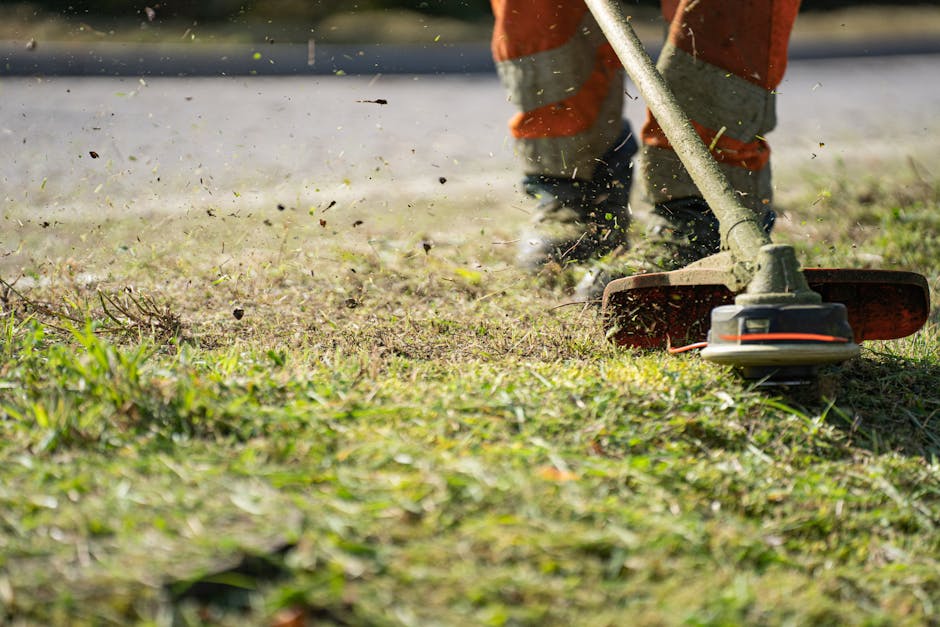
Hedge trimming often sits naturally alongside other garden services when a property needs a fuller tidy-up. If the hedge is surrounded by uneven planting or general overgrowth, some customers prefer to combine the trim with broader garden care so the whole space feels more balanced. Where you want a neater lawn after the hedge has been shaped, our lawn-mowing page covers the related grass-cutting work that can complement a freshly trimmed boundary.
In larger or more established gardens, tree and hedge work may both be relevant, especially if the canopy, boundary planting and access routes are all part of the same outdoor layout. In those cases, it can help to keep the work coordinated rather than treating every plant separately. If that sounds relevant to your property, you may also want to read about our tree lopping and removal service, which is useful where taller growth needs attention alongside hedges and borders.
To send an enquiry, simply outline what the hedge looks like now and the finish you would like. If you already know the main issue, mention it in plain terms, such as overgrowth, shape loss or a boundary hedge that needs bringing back into line. Ask for a quotation when you are ready, and we will help you plan the next step.