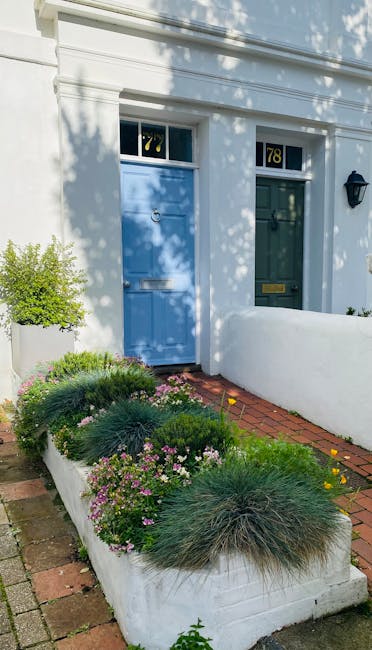
Upper Tooting Road gardening services for small front gardens
If you live on or near Upper Tooting Road, you already know the front garden can be a bit of a balancing act. Space is tight, sightlines matter, and every square metre has to earn its keep. The good news? Upper Tooting Road gardening services for small front gardens are designed for exactly this kind of space: neat, practical, welcoming gardens that look good from the pavement and work in everyday life.
Small front gardens are rarely about grand design. They are about tidy edges, healthy planting, manageable maintenance, and making a modest space feel cared for rather than cramped. Done well, a front garden can improve first impressions, soften brickwork, and make a home feel finished. Done badly, it can become a cluttered patch of paving, weeds, and guilt. Truth be told, a lot of people just need a sensible plan and someone who understands how London front gardens behave through wet winters, dry spells, and busy foot traffic.
This guide walks through what the service involves, how it works, who benefits most, and what to look for before you book. If you are also comparing broader local support, you may find it useful to look at garden maintenance services and, for smaller plots that need a lighter touch, small garden landscaping. The aim here is simple: help you make a good decision without overcomplicating a very human problem.
Table of Contents
- Why Upper Tooting Road gardening services for small front gardens Matters
- How Upper Tooting Road gardening services for small front gardens Works
- Key Benefits and Practical Advantages
- Who This Is For and When It Makes Sense
- Step-by-Step Guidance
- Expert Tips for Better Results
- Common Mistakes to Avoid
- Tools, Resources and Recommendations
- Law, Compliance, Standards, or Best Practice
- Options, Methods, or Comparison Table
- Case Study or Real-World Example
- Practical Checklist
- Conclusion
- Frequently Asked Questions
Why Upper Tooting Road gardening services for small front gardens Matters
A small front garden can do a surprising amount of work. It frames the entrance, gives you a softer transition from street to home, and can make the property feel more inviting even before anyone steps inside. On a road like Upper Tooting Road, where properties often sit close to the pavement and people see your frontage every day, a tidy front garden quietly shapes the whole impression of the house. You notice it yourself too, especially on the way out the door in the morning or coming home after dark.
For many homeowners, the challenge is not lack of interest. It is time, scale, and know-how. Small front gardens are deceptively demanding. A single overgrown shrub can swallow the whole space. One awkward tree root can crack paving. A patch of weedy soil can look untidy fast. That is where specialist gardening services make sense: they bring proportion, routine, and a bit of judgement about what should stay, what should go, and what should be trimmed rather than chopped.
There is also a local practical angle. London front gardens face heavy shade from buildings, compacted soil, bin movement, damp conditions, and occasional casual foot traffic. They need planting and maintenance that can cope with real life, not just a magazine photo. Services tailored to small gardens usually focus on durability, clean edges, restrained planting, and low-fuss upkeep. That is often the difference between a garden that looks good for two weeks and one that looks good for most of the year.
If you are comparing broader support around the home, some readers also look at garden clearance when a front garden has become too tangled to rescue in one visit. That can be a useful first step before ongoing maintenance begins.
How Upper Tooting Road gardening services for small front gardens Works
The process is usually more straightforward than people expect. It often starts with a short assessment of the space, followed by a plan that matches your priorities. For a small front garden, the first questions are usually practical: Do you want it to look neat all year? Do you want more planting and less paving? Is privacy important? Do you want a low-maintenance layout because you are out a lot? These questions sound simple, but they shape everything that follows.
In many cases, the work is split into a few stages:
- Initial tidy-up - cutting back overgrowth, removing weeds, redefining edges, and clearing debris.
- Soil and surface assessment - checking drainage, compaction, shade, and whether the existing planting is actually suited to the site.
- Practical design choices - choosing plants, pots, borders, or hard landscaping features that fit the scale of the space.
- Ongoing maintenance - mowing, pruning, seasonal planting, leaf clearance, and keeping the garden from slipping back into neglect.
The best services do not overdesign a tiny area. They read the space carefully. For example, a narrow strip beside a path may need evergreen structure and a couple of seasonal highlights, rather than a crowded border with too many species fighting for attention. A small front garden should feel intentional, not busy.
There is also a difference between one-off work and regular care. A one-off visit might be perfect if the garden has become unruly after a long winter. Regular visits make more sense if you want the garden to stay sharp with minimal effort from you. If you are not sure which route fits, a good provider should be able to explain the trade-offs in plain English. No drama, no hard sell.
Key Benefits and Practical Advantages
Small front gardens reward good decisions quickly. The right service can make a noticeable difference in a single visit, and the improvements are easy to see from the street. That is part of the appeal. You do not need acres of planting to feel the benefit.
Here are the main advantages:
- Better kerb appeal - a neat, balanced front garden gives the whole property a more cared-for look.
- Less maintenance stress - routine pruning and tidy-ups stop small problems becoming bigger ones.
- Improved usability - paths, steps, and entrances stay clear and safer to use.
- Smarter planting - the right plants can cope with shade, drought, wind, or limited soil depth.
- Cleaner lines and edges - small spaces often look better when boundaries are crisp and simple.
- Better year-round appearance - evergreens, structure, and seasonal refreshes keep the space looking alive, not bare.
There is another benefit that is easy to overlook: confidence. When the front of the house is under control, the whole place feels more settled. You are not walking past a patch you keep meaning to sort out. You have one less thing hanging over you. Sounds small, but it matters.
For some homeowners, small garden improvements also connect with wider external upkeep. If the frontage includes tired hard surfaces or a worn path, a discussion about patio cleaning or similar maintenance can help the whole entrance area feel finished rather than half-done.
Who This Is For and When It Makes Sense
This kind of service suits a wide range of people, but it is especially useful if you fall into one of these groups:
- Homeowners with a small front garden that needs regular tidying.
- Busy households that want the frontage to stay neat without spending weekends on it.
- Older residents who prefer reliable help with pruning, weeding, and lifting debris.
- Landlords or property managers who want a presentable entrance between tenancies.
- People preparing to sell and wanting the front of the property to look cared for.
- Anyone with a compact London frontage that feels too awkward to manage alone.
It also makes sense when the garden has a simple but stubborn problem. Perhaps the hedge has grown too broad. Perhaps the border is full of self-seeded weeds. Perhaps the entrance is shaded and nothing seems to thrive. Or perhaps the current layout just makes the space feel smaller than it is. In those moments, a local gardener can often see possibilities you have stopped noticing.
To be fair, not every small garden needs a full redesign. Some just need regular care and a few tactical changes. A front garden with one healthy shrub, a narrow path, and a neat bed can look better than a complicated layout that is forever needing attention. Less can genuinely be more.
Step-by-Step Guidance
If you are approaching a small front garden for the first time, it helps to think in stages rather than trying to fix everything at once. Here is a practical sequence that works well.
- Look at the garden from the street
Stand across the road and judge what people actually see. Is the shape clear? Are the edges visible? Does the planting look balanced or crowded? - Decide what the space needs to do
Do you want low maintenance, more privacy, a smarter entrance, or more seasonal colour? Pick the main job first. - Remove the obvious clutter
Weeds, dead stems, broken pots, and tired mulch can make even a good garden look neglected. Clearing these gives instant improvement. - Sort the structure
Prune shrubs, reshape hedges, define borders, and make the path or entrance obvious. Small gardens depend on clarity. - Choose a restrained planting palette
Three or four well-chosen plants often look better than ten different ones. In small spaces, repetition usually works better than variety. - Think about seasonality
Include something evergreen, something that flowers, and something that brings texture. That combination keeps the garden from looking flat. - Plan maintenance from the start
Ask how often pruning, feeding, and weed control will be needed. If you will not maintain it, the design should be adjusted accordingly.
A small note that saves people grief: do not buy plants because they look lovely in a garden centre on a sunny Saturday morning. A front garden on Upper Tooting Road may have more shade, more pollution, or more foot exposure than you expect. The conditions matter more than the label. Always.
If you want support with a more structured approach, garden design guidance can help you make sure the layout and planting match the actual space rather than just the idea of it.
Expert Tips for Better Results
Small front gardens are all about discipline. That might sound a bit stern, but it is really just about editing well. A compact space needs clarity and restraint.
Here are some expert-level tips that make a real difference:
- Use repetition - repeating the same plant or colour a few times gives a tiny garden calm and rhythm.
- Keep the edges sharp - clean borders make the whole space look maintained, even when planting is simple.
- Choose tough plants first - in exposed or shaded urban spots, survival matters more than novelty.
- Lift the canopy of shrubs - if shrubs are dense at ground level, the garden can feel smaller than it is.
- Use containers carefully - one or two pots can add flexibility, but too many can block movement and look fussy.
- Leave breathing space - small gardens need some visible surface, whether that is gravel, soil, paving, or mulch.
A simple rule I like is this: if every corner is doing something different, the eye gets tired. If the garden has one clear idea, it feels calmer immediately. That calmer feeling is part of the value. You see it at 7:45 in the morning when you are rushing out with a coffee and the front still looks tidy. Nice, isn't it?
Another useful habit is to ask for work that supports easy maintenance. If you are already thinking about regular care, browsing hedge trimming and lawn mowing services can help you understand how ongoing upkeep is usually handled in a local garden schedule.
Common Mistakes to Avoid
Small front gardens often go wrong in predictable ways. The good news is that most of them are easy to avoid once you know what to look for.
- Overplanting - too many plants make a tiny area look busy and harder to maintain.
- Ignoring mature size - a small shrub can become a large one. Always check what it will look like later.
- Choosing high-maintenance plants - if you do not have the time for frequent care, avoid delicate choices that need constant attention.
- Letting one feature dominate - one oversized pot, bush, or decorative object can throw off the balance.
- Forgetting access - front gardens need room for bins, post, deliveries, and everyday movement.
- Skipping weed control - in a small garden, weeds become visually obvious very quickly.
One common issue is trying to make the space look "finished" by adding more things. More ornaments. More pots. More different plants. More mulch. More. More. More. In practice, the opposite is usually better. Reduce clutter, sharpen the structure, and let a few good features do the work.
Another mistake is assuming all small gardens should be very low. Not true. A little height can give structure and privacy. The trick is to keep height controlled and intentional, not wild and shaggy.
Tools, Resources and Recommendations
For small front gardens, the right tools make work cleaner and faster. A professional service will usually bring their own equipment, but it helps to know what does the job well.
| Task | Useful tools or materials | Why it matters in a small front garden |
|---|---|---|
| Weeding and tidying | Hand forks, hoes, pruning shears, bags for waste | Small spaces show mess quickly, so a precise clean-up matters |
| Pruning shrubs | Bypass secateurs, loppers, hedge trimmers | Controls shape without overcutting |
| Border definition | Edging tools, compact spades, mulch | Sharp lines make the garden feel larger and tidier |
| Planting | Compost, soil improver, container pots, moisture-retaining mulch | Helps plants establish in limited or tired soil |
| Ongoing care | Watering cans, hose access where available, seasonal feed | Supports steady growth without overcomplication |
In terms of recommendations, the most reliable choices for compact urban front gardens are usually hardy evergreens, plants with a strong shape, and varieties that do not collapse after rain. If your frontage is shaded, your choice list will be different from a bright south-facing garden, so the best advice is site-specific rather than generic. That is where local experience really pays off.
If you are also improving surfaces as part of the front approach, some homeowners explore fencing installation or boundary improvements to create a cleaner frame around the garden. Sometimes a simple edge makes a bigger impact than another plant ever could.
Law, Compliance, Standards, or Best Practice
Front gardens are not usually heavily regulated in the way larger developments can be, but there are still sensible standards and responsibilities to keep in mind. If trees, boundaries, or shared access are involved, it is worth being careful. If in doubt, a reputable gardener should flag issues rather than guess.
Good practice includes:
- Checking boundary lines before major pruning, fence work, or structural changes.
- Avoiding obstruction of pavements, steps, or access routes.
- Managing waste properly after clearance or pruning work.
- Using appropriate equipment safely to reduce noise, mess, and accidental damage.
- Considering neighbours where hedge growth, overhanging branches, or shared edges are concerned.
For small front gardens, the practical standard is simple: the work should improve appearance without creating inconvenience. That means no messy overspill onto the pavement, no overcutting that damages plants unnecessarily, and no designs that block the path to the door. In London, that ordinary courtesy goes a long way.
It is also smart to separate cosmetic improvement from structural work. A full redesign of a frontage may require more planning than a routine tidy-up. If a project looks like it could affect drainage, walls, fences, or trees, ask for it to be assessed properly before moving ahead. Better safe than sorry, as they say.
Options, Methods, or Comparison Table
There is more than one way to manage a small front garden. The best method depends on time, budget, and how much change you actually want. Here is a simple comparison.
| Approach | Best for | Pros | Trade-offs |
|---|---|---|---|
| One-off tidy-up | Overgrown or neglected front gardens | Fast improvement, clears the slate | Needs follow-up to stay neat |
| Regular maintenance | Homeowners who want a consistently tidy frontage | Predictable, low-stress, prevents build-up | Ongoing cost and scheduling |
| Light redesign | Spaces that feel awkward or cramped | Improves layout and long-term usability | Takes planning and a clearer brief |
| Low-maintenance planting plan | Busy households and landlords | Easy to manage, practical year-round | May feel less varied than a fuller border |
If you are choosing between these, ask one simple question: what problem am I trying to solve? If the answer is "the garden looks messy and I do not have time," then maintenance is the right answer. If the answer is "the space is badly arranged," then some redesign makes more sense. If the answer is "it all needs rescuing," then clearance first, planning second. Obvious maybe, but people skip that step all the time.
Case Study or Real-World Example
Imagine a compact front garden on Upper Tooting Road with a narrow path, a tired shrub bed, patchy soil, and a couple of pots that have seen better days. The homeowner wants it to look respectable without turning it into a project that takes every Saturday morning. A sensible approach might begin with clearing dead material, trimming back the shrubs, and pulling weeds from the border.
Next, the shape is refined. The path edge is made crisp, one overgrown shrub is reduced to a better size, and the border is simplified. Instead of scattering lots of different plants around the space, the gardener uses a smaller, more consistent palette. A couple of tough evergreens provide structure. A seasonal plant adds colour without creating a maintenance headache. Fresh mulch helps the soil look tidy and retain moisture.
The result is not dramatic in a flashy way. It is better than that. The front of the house looks calmer, cleaner, and more intentional. The homeowner can get in and out without stepping around clutter. From the pavement, the whole property reads as cared for. It is the sort of change neighbours notice without necessarily saying anything. Which, frankly, is often the best kind.
What usually makes this sort of result work is not expensive materials or complex planting. It is the editing. A small front garden improves when someone with experience can tell the difference between what is useful, what is dead weight, and what is just in the wrong place.
Practical Checklist
Use this checklist if you are preparing to book a service or planning a refresh yourself.
- Walk up to the house and view the garden from the street.
- Note what looks untidy first: weeds, overgrowth, poor edges, broken pots, or clutter.
- Decide whether you want a one-off tidy-up or regular maintenance.
- Identify any plants that are too large for the space.
- Check whether the front garden needs more light, more structure, or less clutter.
- Keep access to the path, bins, and front door clear.
- Choose plants that suit shade, sun, and the level of maintenance you can realistically manage.
- Ask how waste will be removed after the job.
- Confirm whether any pruning, hedge work, or boundary changes need extra care.
- Plan the next visit before the garden starts slipping again.
A small garden can feel much more manageable once you have a clear list. That little bit of structure helps a lot, and honestly it stops the job from becoming one of those vague "we should sort that sometime" situations.
Get a free quote today and see how much you can save.
Conclusion
Upper Tooting Road gardening services for small front gardens are about much more than trimming a few edges. They are about making a compact urban space work properly: neat, welcoming, and easy to live with. A small frontage can look excellent when the right balance is struck between structure, planting, and maintenance. Not every garden needs a transformation. Many just need the right eyes on them, a sensible plan, and a bit of steady care.
If you have been putting it off, that is completely normal. Front gardens are easy to ignore because they are outside, visible, and always waiting. But once they are handled well, the difference is immediate. The house feels more finished. The entrance feels calmer. And you feel slightly less nagged by the bit you have been meaning to sort for ages. A nice feeling, that.
And sometimes that is enough to change how home feels at the end of the day.
Frequently Asked Questions
What do gardening services for small front gardens usually include?
They usually cover weeding, pruning, edging, light planting, tidying, and general maintenance. If the space is very overgrown, a first visit may also include clearance and reshaping to bring it back under control.
How often should a small front garden on Upper Tooting Road be maintained?
It depends on the planting and how visible the garden is, but many small front gardens benefit from regular seasonal attention. Some need monthly care in growing periods, while others only need occasional visits if the planting is simple and hardy.
Is a small front garden worth redesigning, or should I just keep it tidy?
If the layout already works, regular maintenance may be enough. If the space feels awkward, crowded, or hard to keep tidy, a light redesign can make a real difference. The right answer depends on the problem you are trying to solve.
What are the best plants for small front gardens in London?
The best choices are usually compact, hardy plants that can handle local conditions such as shade, pollution, or occasional dry spells. Evergreen structure, seasonal colour, and restrained planting usually work better than a large mix of delicate species.
How much does small front garden maintenance cost?
Costs vary depending on the size of the space, how overgrown it is, and whether you want a one-off visit or ongoing care. A good quote should explain what is included so you can compare like for like. Avoid vague pricing if possible.
Can a gardener help if my front garden is badly overgrown?
Yes. In many cases, the first step is a clearance or heavy tidy-up to remove weeds, dead growth, and excess material. Once the garden is under control, it is much easier to decide what should be kept and what should be changed.
Do small front gardens need hard landscaping?
Not always. Sometimes a small amount of paving, edging, or boundary improvement helps define the space, but many front gardens look better with a simple planting-led approach. The answer depends on access, upkeep, and how much structure the garden already has.
What is the biggest mistake people make with small front gardens?
Overfilling the space is probably the most common mistake. Too many plants, pots, and decorative extras can make a small garden feel crowded and harder to maintain. Clear structure usually gives better results.
Can regular garden maintenance help with property appearance?
Yes, absolutely. A tidy front garden improves kerb appeal and makes the entrance feel more cared for. It is often one of the quickest ways to improve how a home presents itself from the street.
Do I need permission for front garden changes?
Simple gardening work usually does not require permission, but anything involving boundaries, trees, access, or structural changes may need more careful checking. If a project seems beyond routine maintenance, it is sensible to ask before starting.
What should I ask before booking a gardener?
Ask what is included, whether waste removal is covered, how often maintenance would be needed, and whether they have experience with small urban front gardens. Those questions usually tell you a lot about whether the service will suit your space.
How do I keep a small front garden tidy between visits?
Focus on simple habits: remove weeds when they appear, keep the path clear, deadhead tired flowers, and avoid adding clutter. A few minutes of attention now and then can stop the garden slipping back into chaos. Tiny jobs, really, but they add up.